

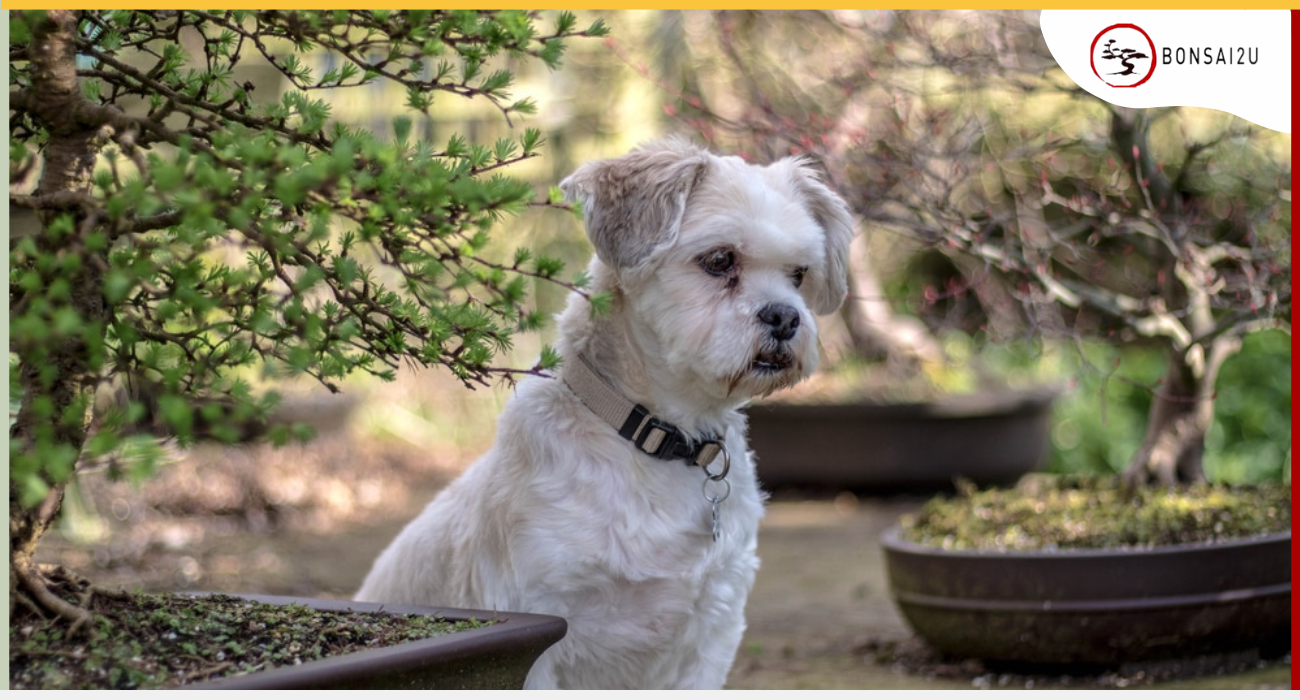
Every bonsai enthusiast who has a four-legged friend might be wondering – are bonsai trees poisonous to dogs?
Whether it’s shoes or sticks, we all know just how much dogs love to chew on various things. Bonsai are no exception. You want to be careful letting your pup chew on just any tree though.
Most bonsai tree species are in fact not safe for dogs and could cause your pet to be sick if ingested. Bonsai trees can contain toxins that are poisonous to dogs which means that certain species should be avoided if you’re a dog owner.
So which trees are dangerous for your pup and which are safe for your canine? Continue reading to find out!
Why Are Bonsai Trees Poisonous to Dogs?
The majority of bonsai trees are toxic to pets due to their bark and leaves. Oftentimes plants contain chemicals such as saponin. These toxins not only play a part in a tree’s natural function, they also act as a defence mechanism in the wild.
Which Bonsai Trees Are Poisonous to Dogs?
There are thousands of different bonsai species out there, so how do you know which ones are toxic to your four-legged companion?
A large proportion of trees are poisonous to animals. Species such as the Sago Palm, Azalea or Jade trees are severely toxic to your dog and could potentially be deadly, if a larger amount is ingested. Other bonsai species such as Ficuses or Juniper are moderately dangerous causing irritations or abdominal pain.
Below you can see our list with some of the popular bonsai tree species and their level of toxicity.
| Bonsai Species | Level of Toxicity |
|---|---|
| Sago Palm | Severe |
| Azalea | Severe |
| Jade | Severe to Moderate |
| Ficus | Moderate |
| Juniper | Mild |
| Fukien Tea | Mild |
| Chinese Elm | Mild |
What Happens if Your Dog Eats a Bonsai Tree?
Should your dog consume a tree it shouldn’t, you’ll notice serious side effects ranging from vomiting and rashes to irregular heartbeat, dizziness and temporary blindness. In the most extreme cases it can even lead to death, if not treated in time.
The exact side effects will depend on the bonsai variety and how toxic it is to dogs.
Certain species can also cause rashes and skin irritation passed through touch as opposed to ingestion. As a dog owner you should try to keep your dog away from any bonsai species you’re not sure are dog safe.
Symptoms of Bonsai Tree Poisoning in Dogs
Your dog might experience a combination of different symptoms depending on the type of tree and the amount consumed. In general these are some of the symptoms to look out for:
- Vomiting
- Skin Irritation
- Dehydration
- Diarrhea
- Watery Eyes
- Abdominal Pain
- Excessive Drooling
- Upset Stomach
- Irregular Heartbeat
What to do?
If you suspect your canine friend has ingested parts of a bonsai tree, take a note of the tree species and immediately call your local vets. Unless instructed by a vet, do not try to get your dog to throw up as you could be causing more harm than good.

How to Keep Bonsai Trees if You Have a Dog?
What can you do if you want to keep your bonsai collection but ensure your dog is also safe? Here are some of our tips:
- Take Note of Your Bonsai Species
Always take note of the different species of bonsai you have. As we have already mentioned, certain trees are more toxic than others so it’s good to know exactly which ones could be a danger to your pup.
Additionally, your dog might experience different symptoms depending on the type of tree it has ingested. Knowing which symptoms are associated with each species can help keep your dog safe.
- Keep Your Bonsai Outdoors
Another precaution you can take to protect your pet is keeping your bonsai collection outdoors.
While you might let your dog in the garden, you wouldn’t normally keep it there overnight or during the day. This means you wouldn’t have to worry about your canine nibbling on your tree while you’re asleep or at work.
You can also get specialised bonsai display tables to make sure trees are out of reach even when your dog is roaming the garden freely.
- Keep Your Bonsai Trees in a Separate Room
If you have the luxury of having a spare room in your house where you can keep all your indoor bonsai trees, then you can consider doing this.
Due to the light requirements of indoor bonsai trees, it’s best to choose a room with plenty of windows and natural light.
- Invest in a Bonsai Greenhouse
Is your pup particularly playful and loves to jump on surfaces? Then investing in a mini greenhouse for your bonsai trees might be an optimal solution.
This way you’re not only stopping your dog from nibbling on plants it shouldn’t nibble on, but you can also shelter your precious outdoor trees from extreme weather.
What are Some Pet-Safe Bonsai Trees?
While a pretty large part of bonsai species are toxic to dogs, cats and other animals, there are a few which are considered to be pet-safe.
Some of the most popular pet-friendly bonsai trees include:
- Chinese Elm
- Maple
- Juniper
- Fukien Tea Tree
If ingested in large amounts, these trees will still cause some discomfort to your pup, however, the symptoms are usually minor compared to other species.

Shop Pet-Friendly Bonsai Trees
Now you know which bonsai trees are safe for your four-legged pals, you can shop our pawsome indoor and outdoor bonsai selection with confidence. At Bonsai 2 U you’ll find a great variety of trees to add to your collection.
Shop online or visit us in-store! For more information including how to water or prune your bonsai tree, please visit our Care Hub.

