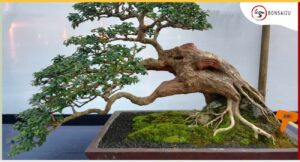


Embarking on the journey of cultivating a bonsai tree is both an art and a science. For beginners, understanding the fundamentals is crucial to ensure the health and longevity of these miniature masterpieces. This comprehensive guide will walk you through the essential steps to grow and care for your first bonsai tree.
Understanding Bonsai: The Art of Miniature Trees
Bonsai is the ancient Japanese art of growing miniature trees in containers, replicating the shape and scale of full-sized trees.
The term “bonsai” translates to “planted in a container,” and the practice emphasises harmony, balance and simplicity.
How To Choose the Right Bonsai Tree for Beginners
Selecting the appropriate tree species is vital for beginners. Opt for species that are hardy, adaptable and require minimal maintenance.
Top Beginner-Friendly Bonsai Species
- Ficus: Known for its resilience and adaptability, Ficus is ideal for indoor environments. It tolerates low humidity and indirect light, making it the perfect beginner bonsai tree.
- Chinese Elm: This tree is forgiving and adaptable, thriving both indoors and outdoors. Its small leaves and fine branching make it a favorite among novices.
- Juniper: A classic choice for outdoor bonsai, Junipers are hardy and can be easily shaped with wiring techniques.
- Jade: A succulent variety that stores water in its leaves, making it drought-tolerant and low-maintenance.
- Japanese Maple: Renowned for its vibrant foliage, it’s best suited for outdoor cultivation and requires more attention, making it suitable for those ready to invest time.
Essential Bonsai Tools and Materials
Before diving into bonsai cultivation, gather the necessary tools:
- Bonsai Shears: For precise pruning.
- Concave Cutters: To remove branches without leaving unsightly scars.
- Wire and Wire Cutters: For shaping branches.
- Root Rake: To untangle roots during repotting.
- Bonsai Soil Mix: A well-draining mix, often comprising akadama, pumice and lava rock.
- Appropriate Pot: Ensure it has drainage holes to prevent root rot.
Planting and Positioning Your Bonsai Tree
- Repotting: When you acquire a bonsai, it’s essential to repot it to ensure optimal growth. Remove the tree from its current pot, gently prune the roots and place it in a new container with fresh bonsai soil.
- Placement: Position your bonsai where it receives adequate sunlight. Most species prefer 5-6 hours of direct sunlight daily. For indoor bonsai, a south-facing window is ideal.
Watering
Bonsai trees require consistent watering. The frequency depends on the species, pot size, soil mixture and climate. A general rule is to water when the topsoil feels slightly dry. Overwatering can lead to root rot, while underwatering can cause dehydration.
Pruning and Shaping
Pruning
Regular pruning maintains the tree’s shape and encourages growth. Remove dead branches and trim new shoots to preserve the desired silhouette. For species like junipers, pinching back new growth promotes denser foliage.
Wiring
Wiring allows you to shape branches by wrapping them with wire and bending them into the desired position. It’s essential to monitor wired branches to prevent the wire from cutting into the bark as the tree grows.
Common Bonsai Growth Challenges
- Leaf Drop: Often caused by overwatering, underwatering or sudden changes in environment. Ensure consistent care and avoid drastic relocations.
- Pest Infestations: Regularly inspect your bonsai for pests like spider mites or aphids. Treat infestations promptly with appropriate insecticides or natural remedies.
- Diseases: Fungal infections can occur due to overwatering or poor air circulation. Ensure proper watering practices and adequate airflow around your bonsai.
Beginner Bonsai Trees at Bonsai2U

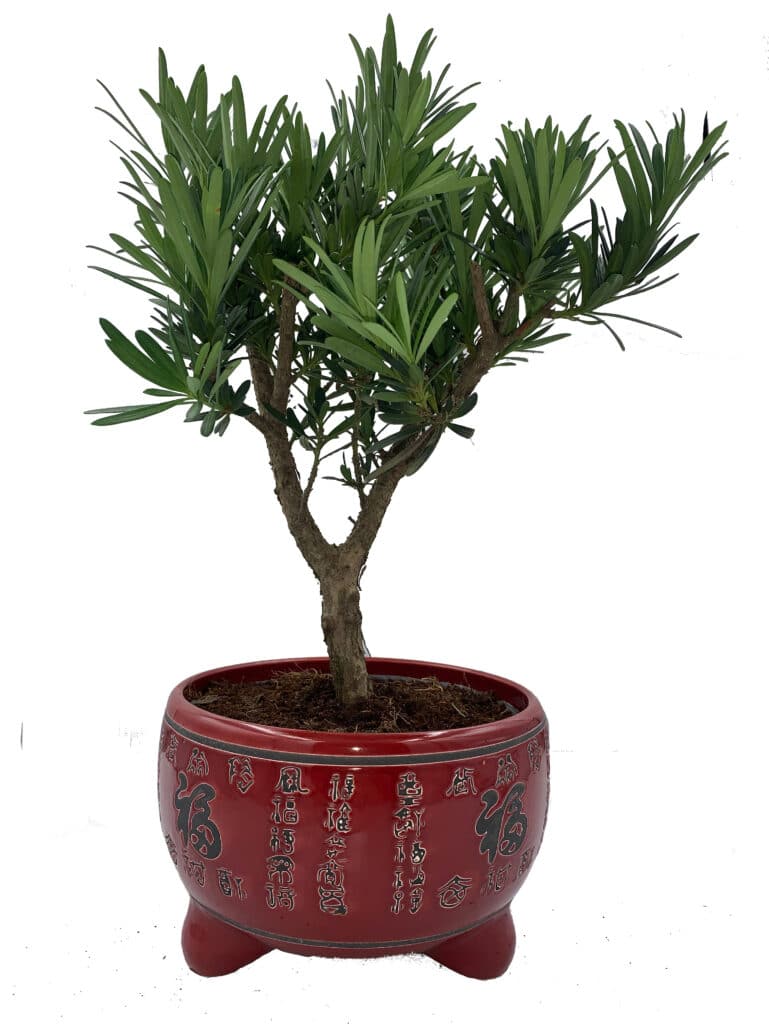
Growing a bonsai tree is a rewarding experience that brings together patience, creativity and care. With the right beginner bonsai tree and a few essential tools, anyone can get started on this timeless horticultural art form. At Bonsai2U, we make it easy for newcomers to begin their journey, with expert advice, high-quality trees and all the accessories you need to succeed.
Whether you’re shopping online or visiting our nursery in Lutterworth, you’ll find a curated range of beginner bonsai trees that are perfect for first-time growers.
Explore our collection today and discover just how simple and satisfying it is to grow your own bonsai from day one.