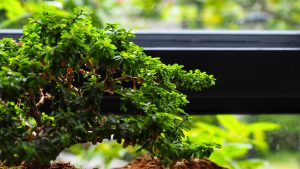


Understanding the bonsai repotting season is one of the most important steps in caring for your miniature tree. Repotting at the correct time ensures strong root health, balanced growth and long-term vitality.
At Bonsai2U we find that timing and technique are just as crucial as the soil and tools you use, and that starts with knowing when to repot.
In the UK, gardening remains a major part of everyday life. According to the RHS State of Gardening Report 2025, over 34 million adults garden regularly, underscoring the scale of plant care interest nationwide.
Bonsai trees, while smaller, require the same thoughtful attention as any garden tree.
This guide walks you through everything you need to know about repotting bonsai, especially the best bonsai repotting season for UK growers.
Why Bonsai Repotting Season Matters
Bonsai live in shallow containers, and over time their roots can:
- Fill the pot
- Become circling and congested
- Exhaust nutrients
- Restrict water movement
Repotting refreshes the soil, encourages healthy root growth and ensures the tree gets enough oxygen and nutrients. But if done at the wrong time, it can weaken the tree instead of strengthening it.
When Is Bonsai Repotting Season in the UK?
For most bonsai species grown in the UK, particularly temperate deciduous and many evergreen trees, the best bonsai repotting season is early spring, just as buds begin to swell but before active growth starts.
Why Repot Early Spring?
- Soil begins to warm, encouraging root recovery
- Trees are about to enter active growth
- The shock of root disturbance is minimised
This timing supports stronger root establishment throughout the growing season.
Typically, late February to April is ideal for repotting most bonsai across the UK climate.
How Often Should Bonsai Be Repotted?
There’s no one-size-fits-all rule, but general guidance is:
- Young trees: every 1–2 years
- Mature trees: every 3–5 years
These timelines vary with species, pot size and rate of growth, but bonsai that are repotted regularly tend to stay healthier and more vibrant because their roots have space to breathe and access nutrients.
Signs it’s time to repot include:
- Roots circling the inside of the pot
- Roots emerging from drainage holes
- Soil compacting and refusing water
These are all classic indicators that the tree has outgrown its current environment and needs fresh soil and root pruning.
Bonsai Repotting Season by Species
Different trees respond to repotting at slightly different times. In general:
- Deciduous trees (e.g., maples, elms): early spring
- Evergreen trees: early to mid-spring
- Conifers: late spring once active growth has begun
Always adjust based on your specific species and local climate conditions.
How to Repot During the Bonsai Repotting Season
Repotting includes more than changing soil, it’s also about root maintenance:
- Remove the tree gently from the pot
- Trim circling and long roots
- Loosen old soil and prune roots where needed
- Place in fresh, well-draining bonsai soil
- Position securely and water thoroughly
After repotting, bonsai should be kept in a sheltered, shaded position with consistent moisture but not waterlogged soil. Avoid fertilising in the first few weeks so the roots can focus on recovery.
Common Repotting Mistakes to Avoid
Even during the correct bonsai repotting season, these errors can weaken your tree:
- Repotting too early or too late in the year
- Removing too much of the root system
- Using garden soil instead of a specialised bonsai mix
- Fertilising too soon after repotting
Keeping these pitfalls in mind helps ensure your bonsai thrives rather than struggles.
Frequently Asked Questions
What if I miss the ideal repotting season?
If you miss early spring, wait until the tree has fully entered stable growth before repotting. Avoid summer or winter repotting, as these times increase stress on roots.
Can indoor bonsai follow a different schedule?
Yes, indoor bonsai sometimes require repotting slightly earlier than outdoor ones, particularly if they’re less dormant in winter light conditions.
Is repotting every year too often?
For younger or rapidly growing trees, repotting every 1–2 years can be appropriate. Mature or slow growers benefit from longer intervals.
At Bonsai2U, we’re dedicated to helping both novice and experienced growers understand the seasonal rhythms that create healthy bonsai, from repotting to watering, pruning to styling.
Gardening touches millions across the UK, and bonsai are a beautiful part of that community, rooted in tradition, nurtured with care.