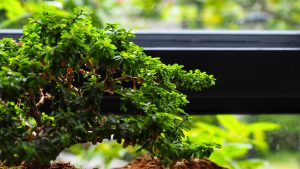


Even the healthiest bonsai can suffer if the soil isn’t right. Over time, the structure of bonsai soil changes. It can become compacted, lose nutrients or stop draining properly. Knowing when to replace it can make all the difference.
At Bonsai2U, we offer a range of specialist bonsai tree soil mixes, perfect for repotting or refreshing your tree’s growing environment.
Here are the key signs your soil may need changing.
1. Water Takes Too Long to Drain
Healthy bonsai soil should allow water to drain quickly while holding enough moisture for the roots. If your soil stays wet for too long, it may have broken down or compacted.
Common signs:
- Water sits on the surface before soaking in
- Soil feels heavy or sticky when touched
Why this matters: Roots need air as much as water. If the soil becomes waterlogged, roots can rot.
Bonsai2U Top Tip: Our Bonsai Soil Mix includes Akadama and pumice to encourage strong drainage and oxygen flow. It’s perfect for general repotting and supports a healthy root system.
2. Soil Has Broken Down or Changed Texture
Good bonsai tree soil mixes have structure. Over time, especially after frequent watering, the particles can break down. If your soil looks clumpy or muddy rather than gritty and free-draining, it’s likely time to replace it.
Things to look for:
- Soil has a soft, muddy texture
- Surface is hard and compact
- Feels more like regular garden soil than bonsai mix
Bonsai2U Top Tip: Our Premium Akadama Soil holds its shape longer, helping reduce the need for frequent repotting.
3. Roots Are Overgrown
Bonsai roots grow steadily, even if the tree appears slow above ground. As roots fill the pot, they start to push against the soil and each other, leaving less room for water and nutrients.
Signs of root crowding:
- Roots growing out of the drainage holes
- Soil lifting or cracking at the surface
- Tree becomes loose in its pot
Repotting with fresh soil allows you to trim the roots and give them space to grow again.
Bonsai2U Top Tip: Our 50L Bonsai Soil Mix is ideal if you’re repotting several trees or larger specimens. It’s the same mix we use in our nursery.
4. Soil Dries Out Too Quickly
If you’re watering more often than usual and your soil still feels dry, it could mean the soil no longer retains moisture well.
Key indicators:
- Soil dries out within hours of watering
- Water runs through instantly with no retention
- Leaves start to wilt or drop, even after watering
5. Yellowing Leaves or Weak Growth
Sometimes, poor soil conditions can mimic other health issues. If your bonsai’s leaves turn yellow or growth has slowed, don’t just reach for the fertiliser.
Possible signs:
- Leaf tips browning or turning yellow
- Slow or stunted growth in spring/summer
- Weak or sparse foliage
If the soil is old, it may not hold nutrients properly, even with regular feeding.
Bonsai2U Top Tip: Repot with our nutrient-friendly bonsai soil mix, which offers the right balance of structure and support. Pair it with a gentle, slow-release fertiliser during the growing season.
6. White Crust or Salt Build-Up
If you notice a white crust on the soil surface or pot rim, it may be due to salt and mineral deposits from water or fertiliser. Over time, this can harm the roots.
What to look for:
- White film on soil or edge of pot
- Soil feels dry and crusty on top
- Leaf tips browning or curling
Remove the top 1–2cm of soil and replace it. For older trees or visible build-up, a full repot with fresh bonsai soil is best.
7. Soil Smells Musty or You See Pests
Healthy soil should smell earthy, not damp. A musty smell or signs of fungus gnats could point to overly wet or compacted soil.
Common signs:
- Sour or damp smell when watering
- Small black flies hovering around the pot
- White mould or growth on the soil surface
Bonsai2U Top Tip: Change the soil immediately. Pests and mould thrive in poor conditions. Our well-draining blends help reduce these risks naturally.
When Should You Replace Bonsai Soil?
This depends on the species, pot size and soil type. As a general guide, a fast growing bonsai such as Chinese Elm should have its soil replaced every 2 or 3 years. More mature trees such as Junipers can go as soon as 5 years before needing new soil.
If in doubt, it’s better to repot and refresh the soil than risk damage later. At Bonsai2U, we grow and train our own trees, so we know first-hand when the soil needs attention.
Choosing the Right Soil from Bonsai2U
All our bonsai tree soil mixes are tested and used in our UK nursery. Whether you’re growing a Japanese Maple, Chinese Elm or Juniper, we’ve created soil blends to suit your needs.
Best-sellers include:
- Bonsai Soil Mix (4L, 6L or 50L) – Ideal for most species and general repotting
- Akadama Soil – For professionals or species needing excellent drainage
Plus, all orders over £20 qualify for free UK delivery, making it easy to stock up before repotting season.
Browse our full bonsai soil range today and give your bonsai the care it deserves.