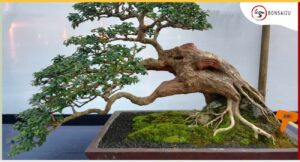


A well-pruned Chinese Elm bonsai is a stunning addition to any collection, offering a refined, natural aesthetic with its delicate leaves and elegant branch structure. Regular pruning not only maintains its shape but also encourages healthy growth. Here’s how to perfect your Chinese Elm pruning technique and keep your tree thriving.
Why Is Pruning Important for a Chinese Elm Bonsai?
Pruning is essential to maintain the desired shape of your bonsai while promoting a strong and healthy tree. It removes dead or overcrowded branches, improves airflow and stimulates new growth. Whether you’re carrying out structural pruning or fine maintenance trimming, the right approach ensures a beautifully balanced tree.
Understanding the Growth Habits of a Chinese Elm Bonsai
The Chinese Elm bonsai is renowned for its vigorous growth and adaptability. It can thrive indoors and outdoors, depending on climate conditions. Understanding its growth pattern is crucial for effective pruning. New shoots develop quickly, and regular trimming helps maintain its refined form while preventing the tree from becoming too dense.
When to Prune Your Chinese Elm Bonsai
Chinese Elm bonsai trees grow vigorously, making Chinese Elm bonsai pruning a year-round task. However, the best time for major pruning is in late winter or early spring before new growth starts. Maintenance pruning, such as trimming new shoots, can be done throughout the growing season.
Tools Needed for Pruning
Before you start pruning, ensure you have the right tools:
- Sharp pruning shears – For cutting thicker branches.
- Bonsai scissors – For precision trimming of smaller branches.
- Concave cutters – Helps create clean cuts that heal faster.
- Wire cutters – If using wires for shaping, these are essential.

You should also have rubbing alcohol and a paper towel to ensure your bonsai tools remain clean and do not cause bonsai infection.
How to Prune Your Chinese Elm Bonsai
1. Structural Pruning (Late Winter to Early Spring)
Identify any dead, weak or crossing branches.
Use sharp, clean pruning shears to cut back branches that disrupt the tree’s overall shape.
Aim for an open structure that allows light to reach inner branches.
Consider the final design of your bonsai and remove unnecessary branches strategically.
2. Maintenance Pruning (Spring to Early Autumn)
Regularly pinch or trim new growth to maintain the desired silhouette.
Focus on removing excess shoots and small branches that clutter the canopy.
Trim back long internodes to encourage finer branching.
Monitor growth patterns and ensure a balanced distribution of foliage.
3. Leaf Pruning (Mid to Late Summer)
Partial defoliation can reduce leaf size and refine the tree’s overall appearance.
Carefully remove larger leaves while leaving smaller, new growth intact.
This technique also improves light penetration, leading to healthier inner branches.
Shaping Your Chinese Elm Bonsai
Pruning goes hand in hand with shaping techniques such as wiring. Wiring can help guide branches into the perfect position, but be sure to check and adjust wires regularly to prevent damage.

Pruning goes hand in hand with shaping techniques such as wiring. Wiring can help guide branches into the perfect position, but be sure to check and adjust wires regularly to prevent damage.
Wiring Tips for Chinese Elm Bonsai
- Apply wire in late autumn or early winter when the tree is less active.
- Use aluminum or copper wire, depending on the tree’s branch flexibility.
- Avoid wrapping wires too tightly to prevent bark damage.
- Monitor wire placement regularly and remove before it cuts into the bark.
Common Pruning Mistakes to Avoid
Even experienced bonsai enthusiasts can make pruning mistakes. Here are some pitfalls to watch out for:
- Over-pruning – Removing too many branches at once can stress the tree.
- Ignoring balance – Uneven trimming can result in an unbalanced shape.
- Not sterilising tools – Can introduce infections and hinder healing.
- Neglecting aftercare – Failing to provide proper care post-pruning can slow recovery.
Caring for Your Chinese Elm After Pruning
After pruning, your bonsai will need extra care to recover:
Watering: Keep the soil slightly moist but avoid overwatering.
Feeding: Apply a balanced bonsai fertiliser to encourage healthy regrowth.
Light & Placement: Ensure your bonsai gets plenty of indirect sunlight to support new shoots.
Seasonal Bonsai Pruning Guide
Spring
Begin light maintenance pruning as new growth appears.
Feed with nitrogen-rich fertiliser to support regrowth.
Summer
Continue pruning excessive shoots and refine leaf size.
Avoid heavy pruning in extreme heat to prevent stress.
Autumn
Structural pruning can be performed before winter dormancy.
Reduce feeding frequency to prepare for winter.
Winter
Perform major structural pruning before new growth emerges.
Protect the tree from frost if kept outdoors.
Explore Our Bonsai Care Range
Give your Chinese Elm the care it deserves with our selection of bonsai tools and fertilisers. From precise pruning to essential nutrients, our products help you maintain a healthy, beautifully shaped tree.
Pruning and shaping your bonsai is an art that takes patience and practice. With the right approach, your tree will flourish for years to come, becoming a striking miniature masterpiece.
Discover our vast range of bonsai tools, fertilisers and accessories at Bonsai2U.