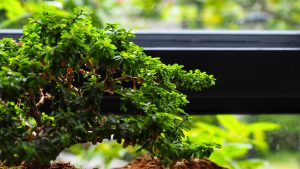


Bonsai leaves turning yellow can feel like a small heartbreak. Bonsai leaves turning brown sends most owners into panic mode. “My bonsai is dying” is one of the most common worries our team hears. Here’s the good news: leaf drop is often natural, and spotting the difference is easier than you’d think.
Why Do Bonsai Leaves Fall Off?
Bonsai leaves drop for many reasons, most of them harmless. Trees renew foliage, shrug off old leaves and respond to changing seasons. Think of it as your bonsai’s version of spring cleaning.
Is It Normal for Bonsai Leaves to Turn Yellow?
It is normal for bonsai leaves to turn yellow. A few yellowing leaves, especially older ones near the base, usually mean natural ageing. Outdoor species also yellow before winter dormancy, much like full-sized trees. Watch for these healthy signs:
- Yellowing appears gradually, not overnight
- Only a small number of leaves are affected
- New growth still looks green and firm
What Does It Mean When Bonsai Leaves Turn Brown?
Brown, crispy bonsai leaves tell a different story, usually pointing to stress. Common culprits include under-watering, sunburn or root trouble beneath the soil. If browning spreads quickly across the canopy, investigate further.
How Can I Tell If My Bonsai Is Actually Dying?
A dying bonsai rarely goes quietly. Look past the leaves and check the trunk. Gently scratch a small patch of bark with your fingernail. Green underneath means life; brown and dry is a worrying sign. Flexible branches suggest fight left in your tree.
Does Leaf Drop Differ Between Indoor and Outdoor Bonsai?
Yes, leaf drop differs between indoor and outdoor bonsai. Knowing which type you own changes what’s “normal”. Outdoor bonsai often shed leaves seasonally as part of natural dormancy. Indoor bonsai are more sensitive to draughts and sudden temperature swings.
A cold windowsill in winter can trigger drop with nothing to do with the seasons. Our indoor bonsai trees and outdoor bonsai trees pages list the growing conditions each variety prefers.
What Causes Unhealthy Leaf Drop?
Several everyday habits can trigger stress-related bonsai leaf loss:
- Overwatering, which drowns the roots and starves them of oxygen
- Underwatering, leaving the tree dehydrated and brittle
- Poor lighting, either too dim or too harshly direct
- Compacted or worn-out soil that blocks proper drainage
- Pests hiding beneath leaves or along stems
Our bonsai watering guide walks through getting the balance right.
How Do I Fix a Struggling Bonsai?
To fix a struggling bonsai, start with the basics before reaching for anything drastic:
- Check soil moisture
- Move your tree away from direct heat
- Inspect the roots if you can
Refreshing tired soil with our bonsai soil range often works wonders. A dose of bonsai fertiliser can help revive weakened growth once watering is sorted. If roots are cramped, our repotting guide covers exactly when and how to intervene.
Which Bonsai Are Most Prone to Leaf Drop?
Some species of bonsai are simply more dramatic than others. Chinese Elms are semi-deciduous and shed leaves through colder months, detailed in our Chinese Elm bonsai care guide. Carmona bonsai drop leaves fast when stressed by draughts or overwatering, so check our Carmona bonsai care guide before worrying unnecessarily.
Frequently Asked Questions
Can a bonsai recover after losing nearly all its leaves?
Often, yes, a bonsai can recover after losing nearly all its leaves, provided the trunk and roots are still healthy. Bare trees can push fresh growth once conditions improve. Patience matters more than panic.
Does leaf drop after repotting mean I’ve damaged my bonsai?
Leaf drop after repotting does not necessarily mean you’ve damaged your bonsai. Some leaf loss after repotting is a normal stress response. Follow our repotting guide and give your tree time to settle.
Should I pull off yellowing leaves myself?
Let yellowing leaves on your bonsai fall naturally. Forcing leaves off wastes stored energy your tree still needs.
Still Worried About Your Bonsai?
If your tree still doesn’t look right, don’t guess, get in touch. Call us or visit our contact page for honest advice. While you’re there, explore our bonsai tools and pots.