

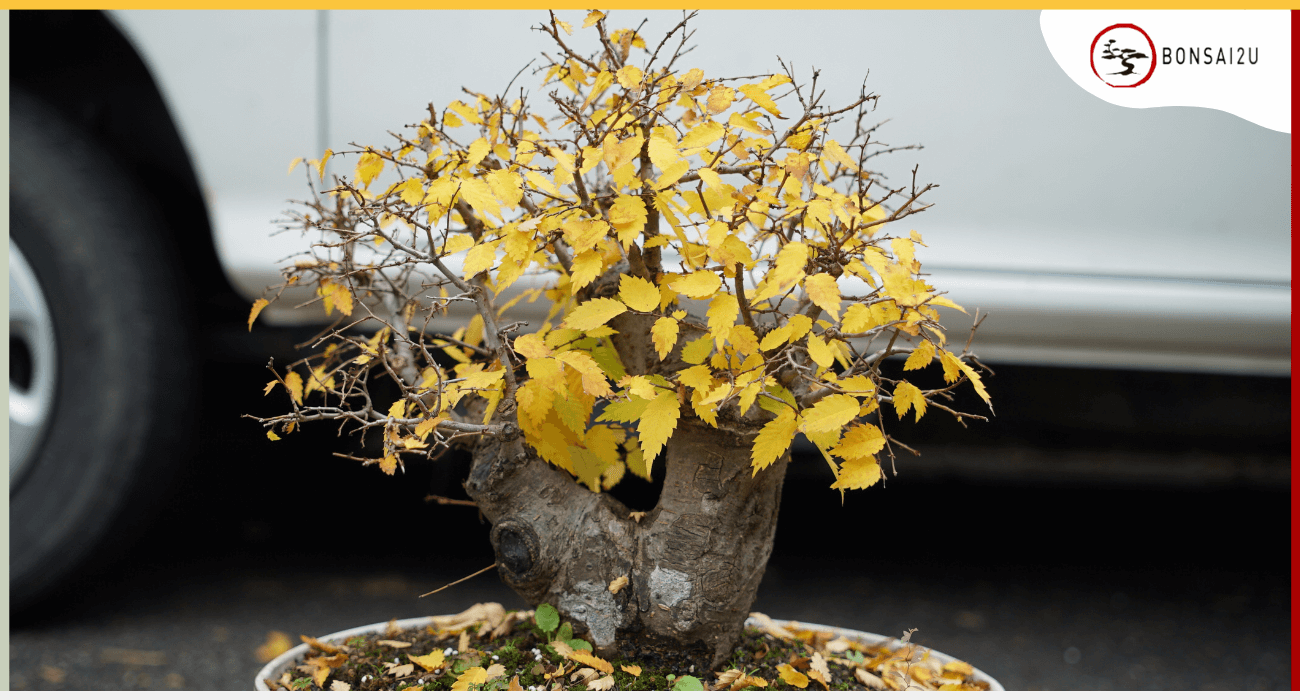
Noticing yellow leaves on your bonsai tree can be worrying, especially when you’ve been carefully watering, feeding and shaping it. Yellowing leaves, also called chlorosis, can happen for a few reasons, such as seasonal changes, overwatering, lack of nutrients, poor light or even just a natural leaf shed. Understanding what’s causing your bonsai tree’s yellow leaves will help you bring back its lush green growth and keep it healthy all year round.
In this guide, we’ll walk through the most common causes of yellow leaves on bonsai, how to fix them and how to prevent it happening again.
What Causes Yellow Leaves on a Bonsai Tree?
Seasonal Changes
One of the most common causes of bonsai leaves turning yellow is the seasonal changes. Going into winter it’s getting colder, so the bonsai will try to drop some of its older leaves in order to then grow new ones, especially through the spring. If it’s dropping older leaves, this is healthy and nothing to be alarmed at.
Yellowing is simply the process of chlorophyll breaking down before the leaf falls off. Some indoor types, such as Chinese Elm, will shed a few older leaves during the year and that can look worrying but that does not mean the tree is dying. If only a few leaves go yellow and fall it may just be a natural leaf shed.
Watering Issues
Another reason your bonsai leaves are turning yellow is not watering your bonsai correctly, so it’s either drying out or being overwatered.
Overwatering: Bonsai roots can’t breathe when sitting in soggy soil. This lack of oxygen leads to yellowing leaves and can eventually kill the tree if not addressed.
Underwatering: On the flip side, if the soil dries out completely, the tree can’t absorb enough nutrients and water, leading to yellowing leaves and wilting.
- How to properly water your bonsai tree?
To prevent your bonsai leaves turning yellow, you need to know how to properly water your tree. Check the soil first by poking your finger an inch into the surface. If it’s still damp, it’s best to wait to water it. If you notice the pot has stayed wet for multiple days, you can try repotting it into a freer-draining bonsai mix. Good drainage and the right watering rhythm will rescue many cases of yellow leaves on a bonsai.
For detailed advice on watering rhythms that prevent overwatering or drying out, see our basic care page on watering your bonsai.
Nutrient Issues
If you’ve spotted that your bonsai leaves are turning yellow, this could be from a nutrient deficiency and due to a lack of nitrogen, iron or magnesium. This simply means it’s not been fed appropriately. You can correct this by feeding regularly with bonsai fertiliser, which should help invigorate the tree again.
This can happen even if you’re fertilising correctly. If the bonsai soil is too compacted, water and nutrients can’t penetrate properly to the roots, leading to yellow leaves. If this is the case, try repotting your bonsai tree.
Incorrect Lighting
If your bonsai is growing indoors, light could be the issue. When an excessive number of leaves are turning yellow, it’s often due to insufficient light. Light is an important factor in bonsai health.
- Too little light: leaves turn pale yellow and fall off.
- Too much direct sunlight (especially indoors): can dry out the foliage.
Bonsai trees kept indoors in dim rooms will show larger, thinner new leaves and a loss of colour. If your bonsai is indoor, it will do best in a cool, bright spot or under a grow lamp during darker months.
To understand how light levels affect your bonsai’s health, take a look at our article about how much sun a bonsai tree needs.
Repotting or Root Work
Repotting can be a cause of bonsai leaves turning yellow. The tree may pull nutrients out of older leaves while the roots settle. Usually only a few leaves are affected, and the tree recovers in a few weeks if you keep it peaceful and out of strong wind or direct stress. If lots of leaves are dropping after repotting, move the tree to a sheltered spot and treat it gently until new growth appears.
Low Humidity or Indoor Warmth
If your bonsai lives indoors through winter, it might be getting a bit too cosy. When rooms are warm and dry, your little tree can get confused and think it’s summer again. It starts pushing out soft new shoots that don’t last long, and before you know it, the leaves turn yellow and drop. Most indoor bonsai are happiest in cooler rooms, away from radiators or fireplaces. Try giving your tree a small humidity tray with a bit of water and pebbles underneath. This helps keep the air around it just right without drowning the roots.
Pests or Disease
If your bonsai tree leaves are turning yellow and it doesn’t seem like a seasonal change or that light, water or temperature are to blame, have a closer look at the leaves and soil. Tiny pests, such as spider mites or aphids, can quietly drain the sap and energy from your tree, leaving the leaves dull and tired. Also make sure to check the roots. If they’re soft, dark or smell bad, you might be dealing with root rot from soggy soil.
To deal with this, give the roots a trim, refresh the soil with a proper bonsai mix and let it dry a little between waterings. Keep an eye out for any sticky residue or webbing and deal with pests early before they spread.
Keep Your Bonsai Healthy and Thriving
At Bonsai2U, we’ve been caring for bonsai trees for decades. Browse our range of bonsai care products, including specialist fertilisers, bonsai soil mixes and watering tools designed to keep your tree in top condition. You can also explore our collection of indoor and outdoor bonsai trees. If you’re seeing your bonsai’s leaves turning yellow, we can help you understand what’s going on. Contact us today to speak with a member of our friendly team to receive expert advice.

