

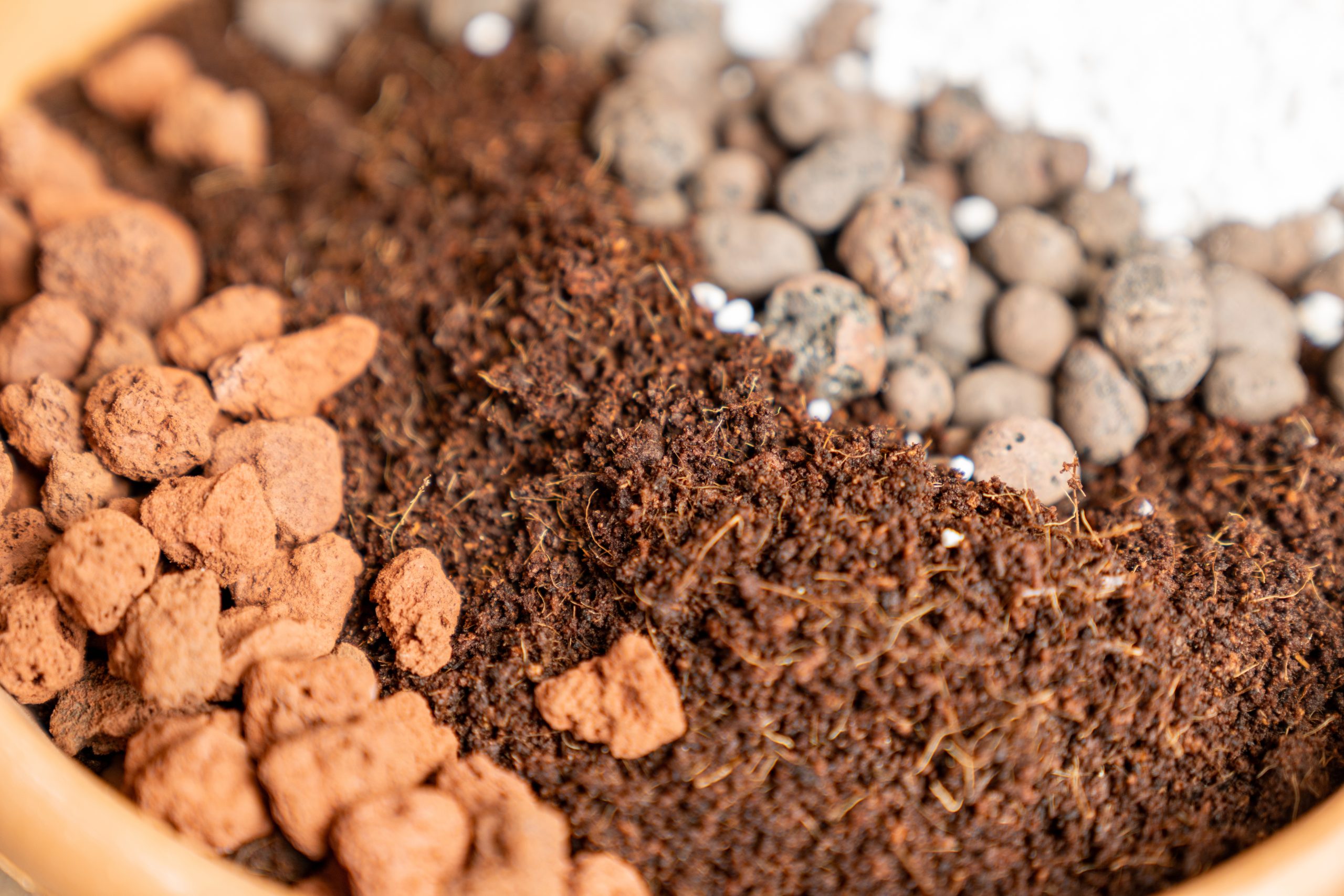
There’s something quietly heartbreaking about it. You’ve done everything right: sunny windowsill, careful watering, a little daily attention. And yet your bonsai is fading. Nine times out of ten, the culprit is hiding beneath the surface. It’s the soil.
Standard houseplant compost is the most common mistake bonsai owners make. It feels logical. It’s familiar. It’s sitting right there in the garden shed. But underneath that bonsai pot, it’s slowly suffocating the very roots you’re trying to nurture. The fix is simple, but first, you need to understand what’s actually going wrong.
What Makes Bonsai Roots So Different From Other Houseplants?
Think of a bonsai root system as a creature that needs to breathe. Crammed into a shallow pot, bonsai roots are working in a tiny, unforgiving space. They need:
- Air: oxygen must reach every root tip to keep cells alive
- Fast drainage: water should pass through quickly, not linger
- Loose, gritty structure: so roots can push through and spread
Standard compost is designed for generous pots and thirsty root systems. In a bonsai container, that same dense, moisture-hungry mix becomes a slow trap.
Why Does Standard Compost Hold Too Much Water For Bonsai?
Houseplant compost was built to hold on to moisture. It does its job beautifully, for everything except bonsai.
In a shallow bonsai pot, that held moisture has nowhere to escape. It pools. It sits. And roots that sit in wet, dense compost begin to drown. Slowly and invisibly.
The peat or coir in standard compost compacts over time too. Within months it can become a near-solid bloc. A dense clod where water no longer drains and air no longer moves. Root growth stalls. The whole tree starts to struggle. That’s when people start searching how to save a bonsai tree, often when the window for easy recovery has already closed.
Learn more about how to repot your bonsai, before it’s beyond help.
What Are The Signs That Compost Has Started Damaging My Bonsai?
The roots suffer first. The canopy tells you about it later. By the time your bonsai looks visibly wrong above the soil, the damage underground has usually been building for weeks. Watch for:
- Yellowing leaves, or leaves dropping without much warning
- Branches that look dry and snap rather than bend
- Wilting even though you’ve watered recently
- No new buds or shoots during the growing season
- A sour, musty smell rising from the pot
If you’re already here, wondering how to revive a dead bonsai tree, don’t panic yet. Gently tip the tree from its pot and look at the roots. Healthy roots are pale and smell like good earth. Rotted roots are dark and smell of something gone wrong.
Discover the fundamentals of bonsai tree care.
Can You Bring A Bonsai Back To Life After Compost Damage?
Often, yes, you can bring a bonsai back to life after compost damage. If you catch it before too much of the root system is lost.
Here’s how to bring a bonsai tree back to life:
- Gently ease the tree free from its pot, no tugging or forcing
- Wash away every trace of the old compost with lukewarm water
- Inspect the roots carefully: trim away anything dark or hollow with clean, sharp tools
- Repot straight away into proper bonsai soil
- Place in a sheltered spot out of harsh sun or wind, and water gently
The key is speed. Every extra day sitting in waterlogged compost is another day of stress for an already weakened root system.
Browse our bonsai tools for easy bonsai maintenance.
Have More Questions About Bonsai Soil? Talk To Us.
Trying to figure out how to save a bonsai tree at the first sign of trouble? Or just want to get things right from the very beginning? At Bonsai2U we love to help.
Call us on 01455 552211 or drop us a message via our contact page. We’re real people who genuinely care about your trees. Browse our full range of bonsai soils, tools, pots and bonsai trees for sale . Everything your tree deserves, all in one earthy little corner of the internet.

