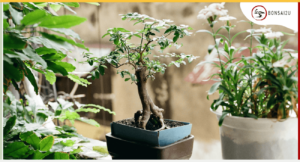

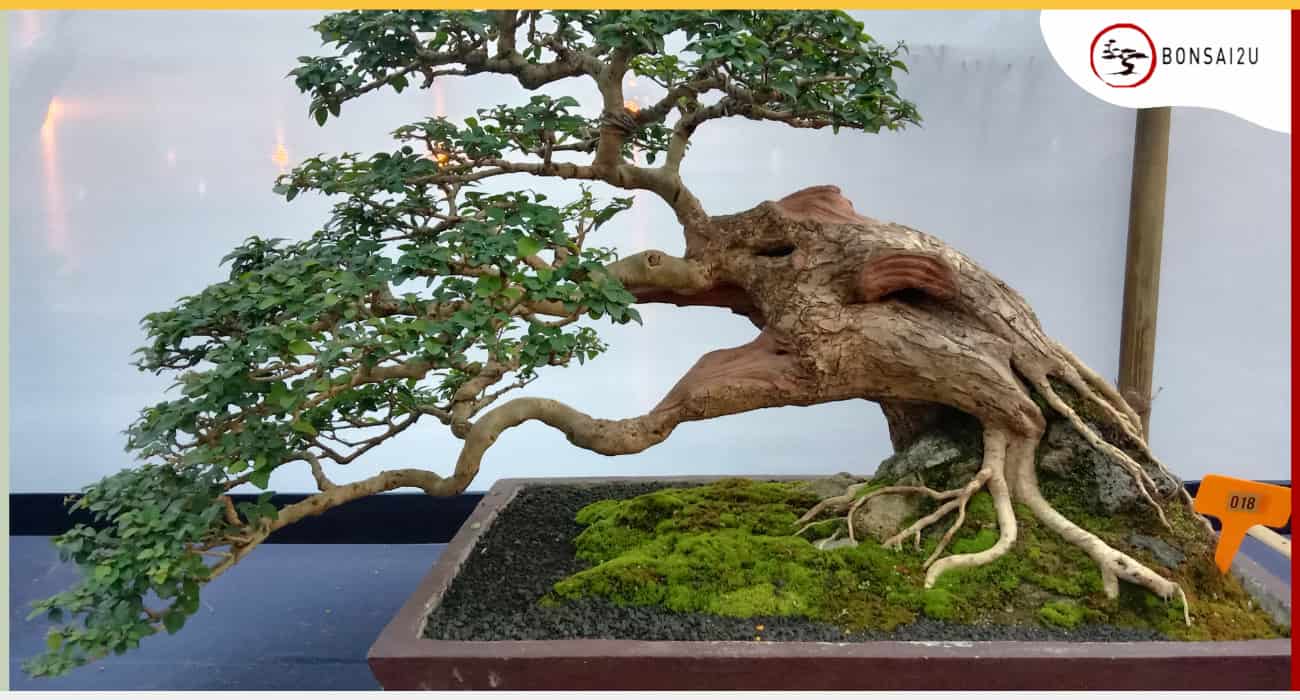
Starting your bonsai journey can feel overwhelming, but with the right approach, you can enjoy watching your tree thrive. The first three months are important for learning about the basics of your bonsai tree.
Our tip for any beginner is to not start from scratch. Making a bonsai from seed or raw cuttings can be very difficult. Instead, buy a young bonsai that is already one or two years old and grow it further. That way you already have a strong base to work with.
In this article we will outline how to care for a bonsai tree for beginners and key mistakes to avoid in the first three months of owning your tree.
What Bonsai Tools Do Beginners Really Need?
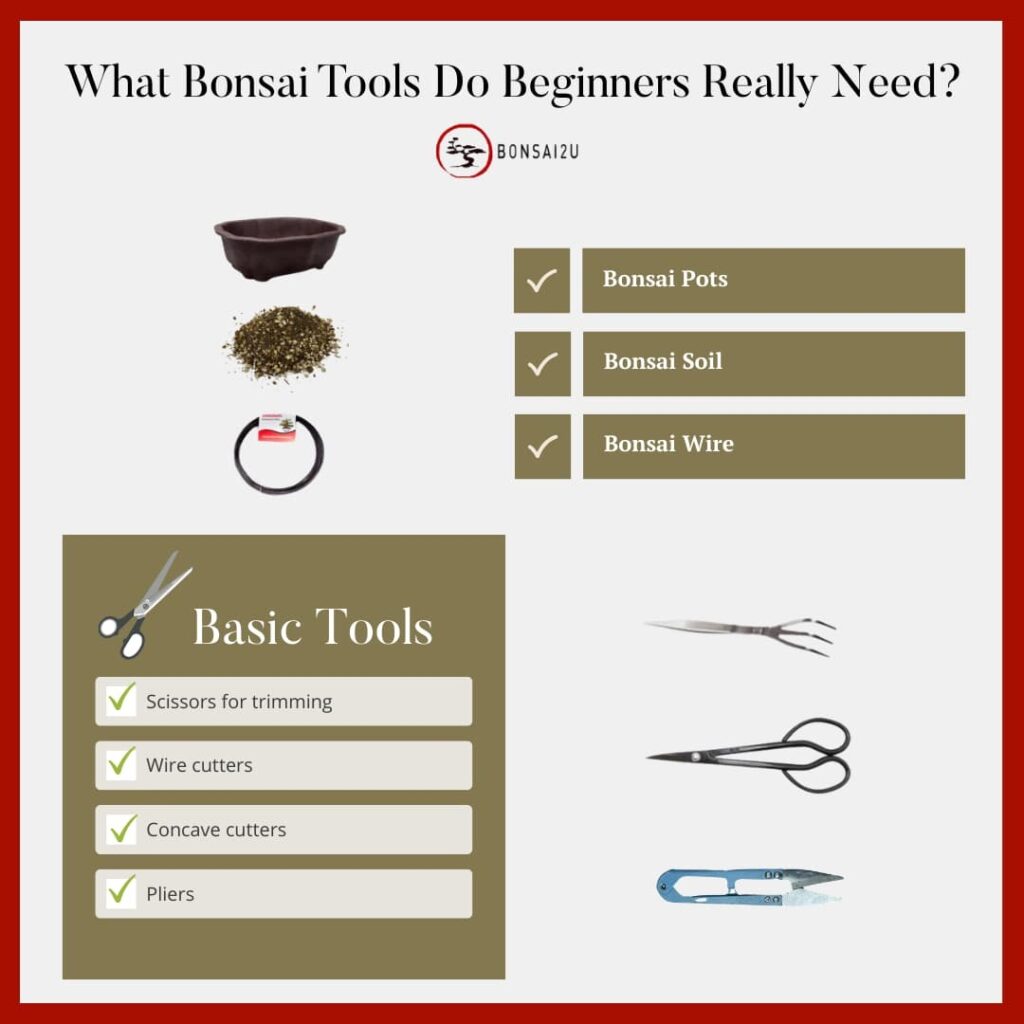
Bonsai Pots
- Special containers with large drainage holes that allow water to flow through.
- Some bonsai pots have smaller holes for anchoring the tree with wire so it doesn’t topple.
Bonsai Soil
- Uses a coarse, fast-draining mix instead of standard compost.
- Typical bonsai soil mixes: pumice, lava rock, baked clay, and sometimes pine bark.
- Allows water to drain quickly while keeping enough moisture for the roots.
Bonsai Wire
Bonsai wire guides branch growth and shapes your tree.
- Aluminium wire is ideal for beginners, as it bends easily and can be removed without damaging bark.
- Copper wire is stronger but suited for more experienced growers.
Basic Tools
- scissors for trimming small branches
- wire cutters
- concave cutters for removing thicker branches
- pliers for tightening wire
As a beginner, you do not need a full tool kit. A sharp pair of scissors and something to cut the wire are often enough to start learning bonsai techniques.
How Do I Take Care of My Bonsai in the First 90 Days?
Once you bring your bonsai home, the first step is to identify your tree species and learn its basic needs. As a beginner, it’s easy to feel overwhelmed by advice about repotting, pruning, wiring, and shaping. But in the first three months, you don’t need to do everything at once. Focus on four key areas of care, lighting, watering, feeding and light pruning, to help your bonsai settle in and grow strong.
1. Light
Bonsai need bright light to thrive, so the first thing you need to do is find the best spot to keep your tree.
- Avoid very low-light areas; a sunny windowsill or bright outdoor spot is ideal.
- Avoid moving the tree too often, as they adapt to a specific environment, including the light and temperature around them.
2. Watering
The second factor beginner bonsai tree owners need to focus on is watering them. The watering cycle may be different for different bonsai, so it’s important to get familiar with that.
- Always check the soil and water when the top layer feels slightly dry.
- Water your bonsai from the top and allow all water to drain through.
- Don’t let your tree sit in a pool of water, as it can cause root rot.
You can also lightly mist leaves and branches daily to keep them hydrated.
3. Feeding
Nutrition is extremely important for bonsai because they grow in small pots and the soil nutrients get depleted quickly.
- Use a bonsai fertiliser such as Nutricote.
- Two to three teaspoons per feeding keeps your bonsai healthy and strong.
We would recommend the use of a bonsai tree fertiliser regularly, ideally every one to two weeks.
4. Pruning
In the first 90 days, focus only on light pruning to remove dead or damaged leaves and small shoots.
- Avoid heavy pruning, wiring, or reshaping the tree too early, as this can stress the tree.
Observe your bonsai’s natural growth pattern and thin interior growth lightly to allow air and light to reach the inner branches.
What Bonsai Beginners Should NOT Do Yet
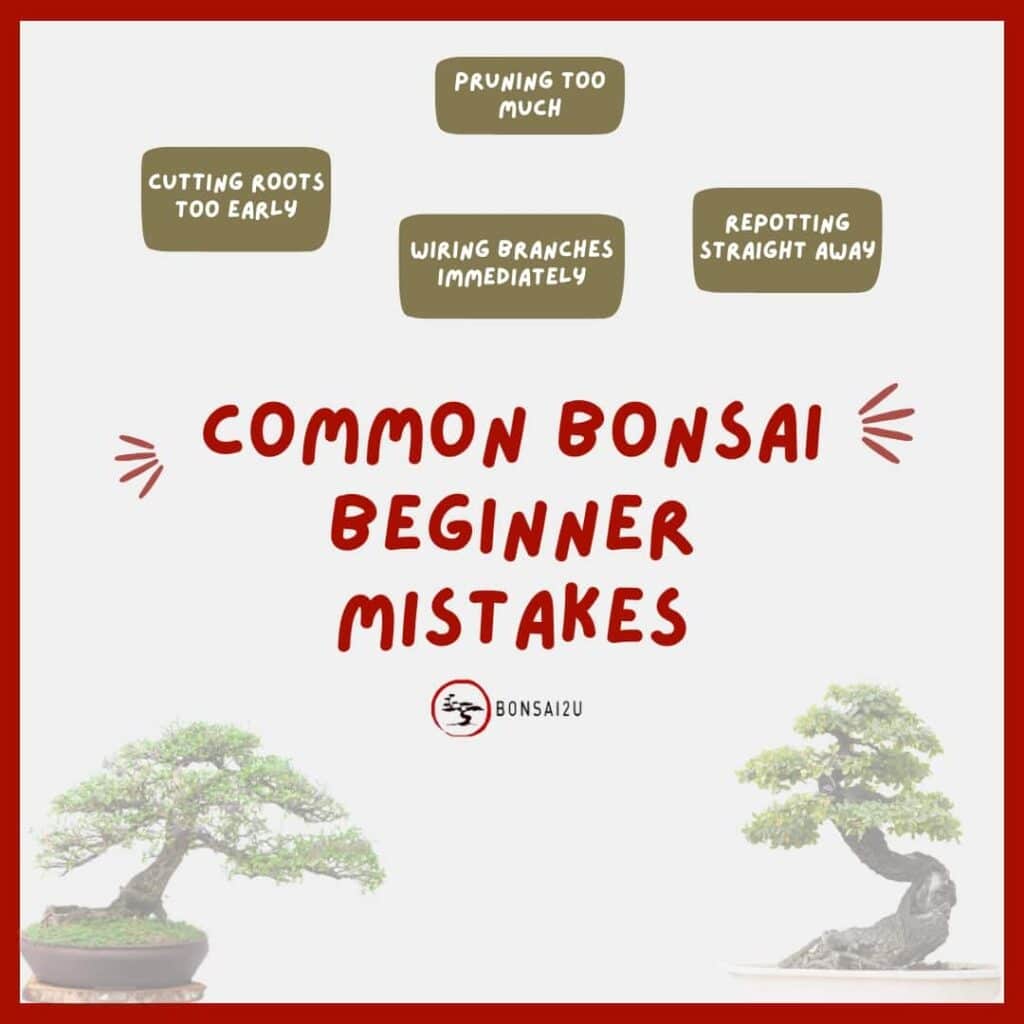
One of the most common mistakes beginners make is doing too much work on a tree at once. For example, you’ve bought a bonsai tree and immediately:
- prune the branches
- wire the branches
- cut the roots
- repot it into a bonsai pot
Doing all of this at once can put too much stress on the tree and may cause it to die.
Do Not Repot Your Bonsai Tree in the First 90 Days.
When people buy a bonsai, they are so eager to get their hands on it that the first thing they do is repot the tree. You don’t have to repot a bonsai unless it really needs it. Just because the roots are coming out of the pot doesn’t mean it needs repotting. This is a sign that the tree is growing well.
Repotting is best done at the start of the growing season when buds are beginning to swell. If you buy a tree in summer, it’s better to focus on learning how to care for it until the correct season arrives.
Bonsai Tree Care For Beginners – Bonsai2U
At Bonsai2U, we provide indoor and outdoor bonsai trees, tools and expert guidance to help beginners succeed. If you’re looking to buy a bonsai tree, need tools to care for your own or have just purchased one and need advice, we are here to help. Contact our expert team today, and they will be more than happy to talk all things bonsai.
Remember that bonsai is a rewarding journey that grows with you. Keep them well watered, trimmed, and pest-free, and your trees should thrive. Good luck with your bonsai!