

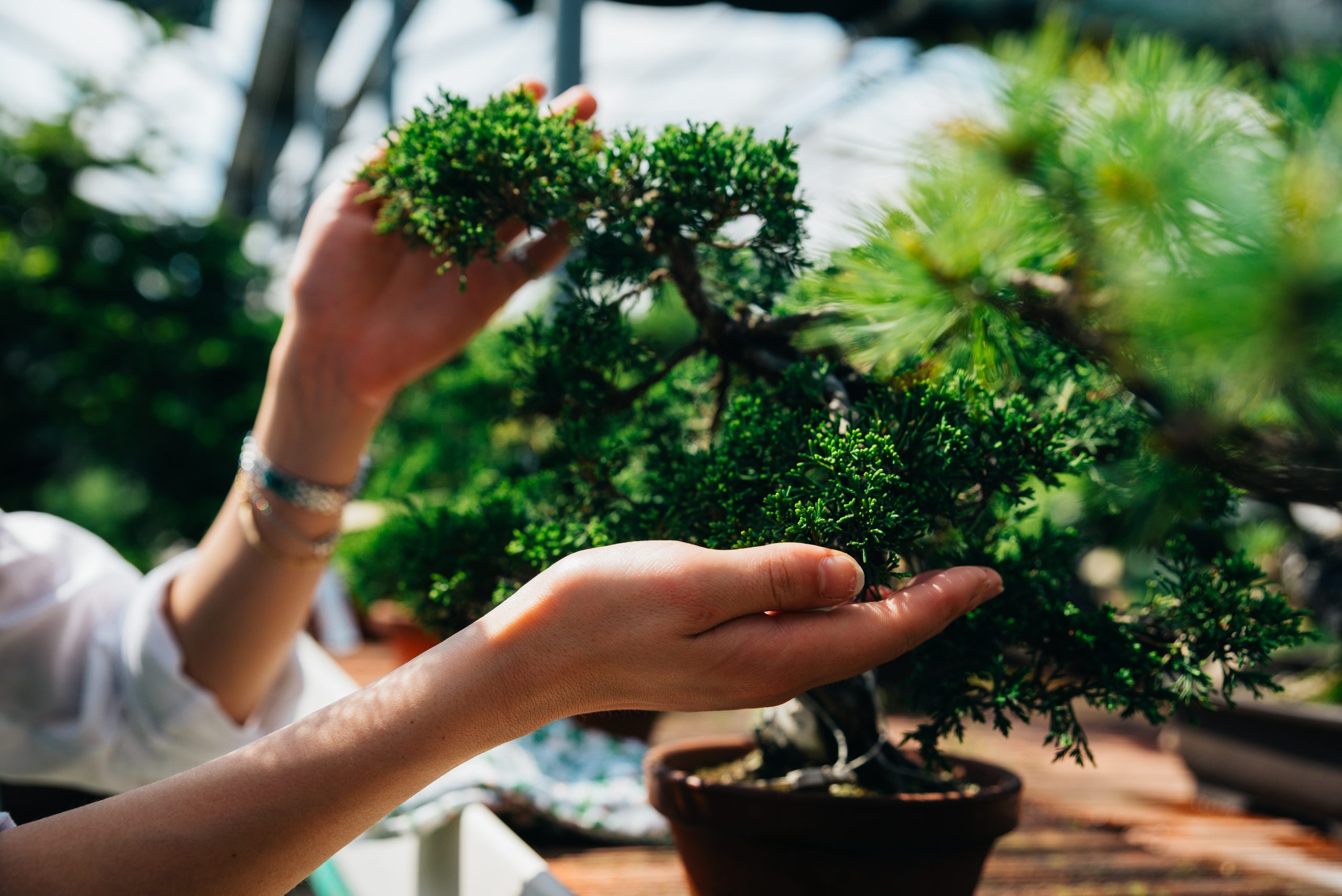
Bonsai trees look simple at first. You buy a tree, place it in a pot and expect it to stay small and look refined.
That is not how bonsai works.
This guide explains what beginners expect and what actually happens. It will help you avoid the biggest mistakes and get better results faster.
Quick Bonsai tree reality checks
- Bonsai growth takes years, not weeks
- Shape is built over time, not bought
- Small pots slow growth, not speed it up
- Daily care matters more than skill
If you understand this early, your trees will flourish much faster.
Bonsai Growth: what beginners expect vs reality
Expectation
A bonsai should stay small and controlled straight away.
Reality
Bonsai needs strong growth first. Then refinement comes later.
The biggest mistake beginner bonsai growers make is putting a young tree straight into a small bonsai pot. When a young tree is placed into a small pot, it becomes restricted:
- Roots cannot spread far
- Nutrients are limited
- Water needs constant management
- Growth slows down
The size of the bonsai pot has a direct effect on how fast a tree develops. Placing a tree into a small bonsai pot too early, reduces all of these. The tree may still be alive and healthy, but its development is held back. After several years, it can look almost the same as when it was first planted.
This is why experienced growers delay using a finished bonsai pot. They focus on development first. A bigger training or grower pot lets the roots spread and the trunk thicken before you think about styling.
Bonsai Shape: what beginners expect vs reality
Expectation
You buy a bonsai and it already looks like a finished tree.
Reality
Many beginners wire branches and trim foliage on very young trees. The result is a styled tree with a thin trunk that still looks immature. A Bonsai tree’s shape is built step by step. A good bonsai starts with a good trunk. It is the foundation that everything else is built on.
What actually works is a staged approach:
- Allow the tree to grow freely to build trunk thickness and taper
- Cut back to create structure and set the main branch directions
- Develop branches and begin refining the shape with bonsai wire
- Refine foliage over time using careful pruning
Branches, ramification and foliage can all be developed later in a relatively short time once the trunk is right. Many bonsai tree beginners focus too early on styling, when the real priority should be trunk thickness and structure.
How Long Bonsai Takes: what beginners expect vs reality
Expectation
You will see clear progress in a few weeks or months.
Reality
Bonsai development happens over seasons and years.
When a bonsai tree is grown in open conditions with room to develop, progress follows a pattern::
- Year one is often slow as the tree establishes roots
- Year two shows stronger root development and steady growth
- Year three and beyond is where the tree begins to grow quickly and thicken
A tree placed in a small bonsai pot early may show very little visible change over the same period. That does not mean it has stopped growing. It means growth has been reduced to a much slower rate.
This is why beginners often feel stuck. The tree looks the same year after year. The solution is not more styling. It is giving the tree the conditions it needs to actually develop.
Not sure where to start? If you are just getting going, our range of bonsai trees for beginners are chosen for their resilience and how well they respond to learning.
Watering and care: what beginners expect vs reality
Expectation
Watering on a set schedule keeps the tree healthy.
Reality
Watering should be based on observation, not a fixed routine.
Bonsai care changes day to day. Temperature, sunlight and wind all affect how quickly soil dries out. A tree that needs water every day in summer may only need it every few days in autumn.
The correct approach is simple but requires attention:
- Check the soil regularly
- Water when it begins to dry out not before
- Avoid keeping the soil constantly soaked
Good bonsai soil makes this much easier. Well-draining soil reduces the risk of root rot and gives you a clearer signal of when watering is actually needed. You can also read more about bonsai watering in the care hub.
Indoor vs outdoor bonsai: what beginners expect vs reality
Expectation
Bonsai trees live happily indoors as decorative houseplants.
Reality
Most bonsai need to be outside for at least part of the year.
Trees rely on natural light, airflow and seasonal changes to grow properly. Keeping them indoors long term limits growth and can lead to poor health.
Some trees can be brought inside briefly for display, but they should return outside to continue developing.
If you want a tree that can genuinely live indoors, species like the Chinese Elm are well suited to indoor conditions when placed near a bright window.
Ready for Your First Bonsai?
At bonsai2u, we help beginners choose trees that are suited to how they want to grow. Whether you are starting with an indoor species like a Chinese Elm or an outdoor tree you can develop in the garden, our range is chosen for resilience and results.
Browse our full range of beginner bonsai trees, indoor bonsai trees and outdoor bonsai trees or visit us at our nursery in Lutterworth to get hands-on advice from people who grow bonsai themselves.

