

Getting a bonsai for the first time is exciting. But it does not take long before something looks slightly off and the instinct kicks in to fix it immediately.
The leaves look a little dull. The soil feels dry. A branch seems to be growing the wrong way. So you water more, move the tree to a different spot, prune it back and consider repotting it all in the same week.
That pattern of doing too much too fast is one of the most common reasons beginner bonsai trees struggle or die. The problem is not neglect. It is overcorrection
Why Do New Bonsai Owners Do Too Much Too Soon?
Bonsai trees have a reputation for being demanding to take care of, which often puts new owners on high alert.
The reality is that bonsai trees are resilient. Most visual changes, like slight leaf drop, minor discolouration or slow growth, are normal responses to a new environment. A tree that has just been moved to your home needs time to settle.
Read our guide The First 90 Days With a Bonsai, the early weeks are about observation, not correction.
What Are the Most Common Ways Beginners Overcorrect?
Overwatering in response to dry-looking soil
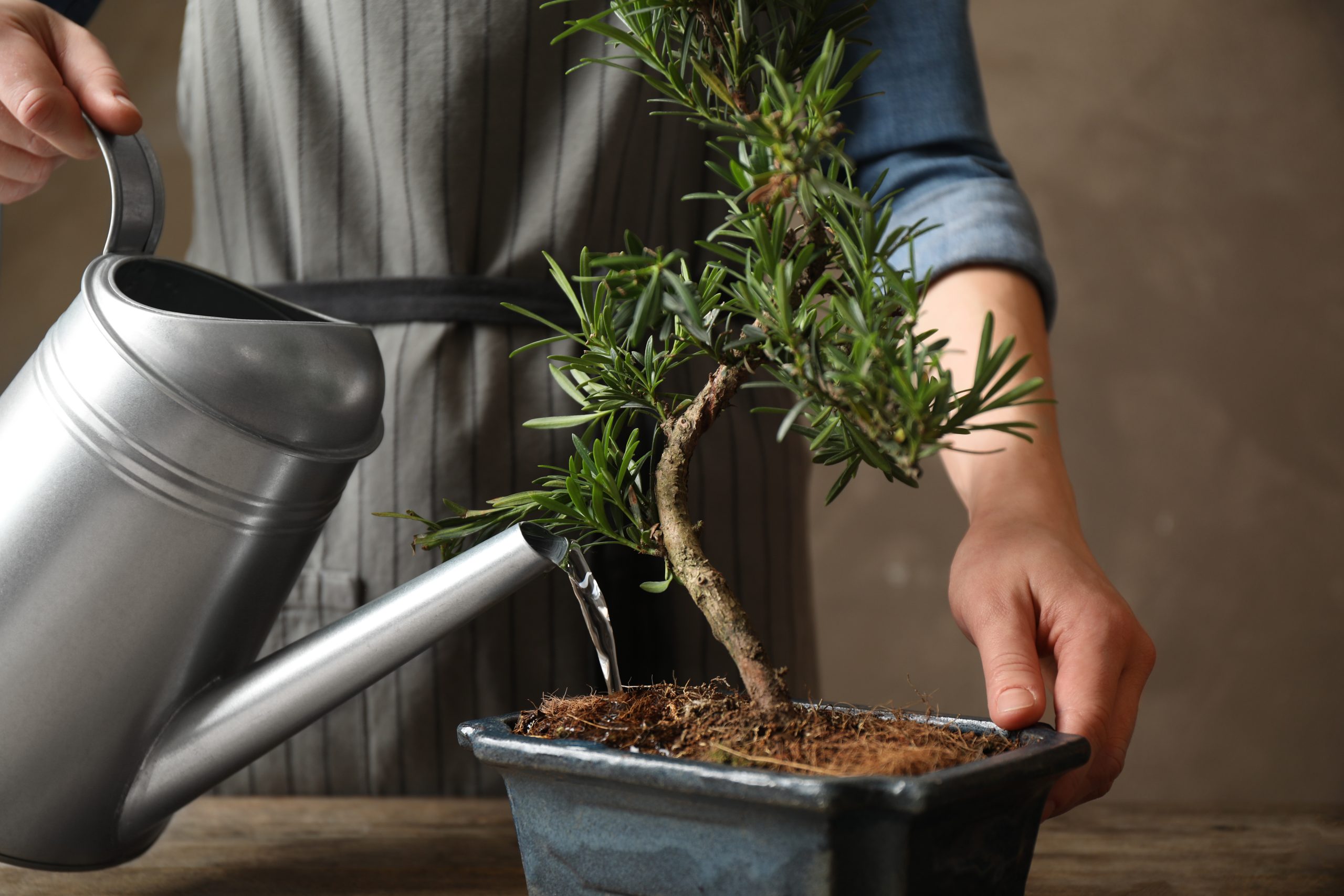
Overwatering a bonsai tree is quite a common cause of trees dying for beginners. When the soil surface looks pale or dry, the instinct is to water again. But surface colour is not a reliable indicator of moisture deeper in the pot.
The correct check is to press your finger about a centimetre into the soil. If it feels moist below the surface, the tree does not need water yet. Only water when that deeper layer feels slightly dry.
- Never water on a fixed schedule, as soil dries at different rates depending on pot size, season and temperature
- Always let water drain fully through the pot, and never leave the tree sitting in a pool of water
- Roots sitting in wet soil will rot, and root rot is very difficult to reverse
Read the full guide to bonsai watering on our care hub for a clear breakdown of how to get this right.
Pruning too hard too early
New bonsai tree owners often prune aggressively when they spot a branch that looks out of place. But heavy bonsai pruning during the wrong time of year or too soon after bringing a tree home, causes the tree stress.
In the first few months, limit pruning to removing dead material and trimming back shoots that are clearly overgrown. Leave any structural pruning until the tree is well established and you have learned its natural growth pattern.
Our bonsai pruning guide explains the right times and techniques.
Repotting a tree that does not need it
Bonsai repotting mistakes are extremely common. New owners see roots beginning to show at the edge of the pot and assume the tree is desperate for more space. In most cases that is not true.
Roots showing at the drainage holes or around the soil surface just means the tree is growing well. Repotting should only happen when the roots have become genuinely pot-bound and are circling heavily. And it should only be done at the right time of year, typically early spring as buds start to swell.
- Repotting at the wrong time stresses the tree and can halt growth entirely
- If you have just bought a tree, do not repot it for at least the first season
Check our full bonsai repotting season guide before you lift any roots
Moving the tree repeatedly
Bonsai trees adapt to their environment. Light levels, temperature and humidity all become familiar to the tree over weeks. Every time you move it to a new position you reset that process.
If you move your tree from a bright windowsill to a shaded shelf because the leaves look slightly dry, you may be solving nothing while creating a new light problem. Pick a good spot, commit to it and let the tree adjust.
Overfeeding to boost growth
When a bonsai tree seems to be growing slowly, some beginners increase feeding significantly, hoping to speed things up. Too much bonsai fertiliser causes the opposite problem. It can burn roots and throw the tree’s natural balance off.
Stick to the recommended feeding schedule and amounts. For most trees that means feeding every one to two weeks during the growing season using a balanced bonsai fertiliser. Feeding less often in winter when growth slows is normal and correct.
How Do You Know If Your Bonsai Actually Has a Problem?
To be able to tell whether your bonsai tree has a problem, there are a few signs that need attention:
- Yellowing leaves across most of the canopy, not just a few older ones dropping naturally
- Mushy or very dark roots visible when the tree is lifted slightly
- Bark that looks shrunken or dry to the touch across a whole section of trunk
- No new growth at all across several months during the growing season
- Soil that stays wet for days at a time despite normal temperatures
For yellowing specifically, our blog post Why Are My Bonsai Tree Leaves Turning Yellow walks through the most likely causes and how to address them properly.
Need Advice on Your Bonsai?
At Bonsai2U we have been helping beginners get bonsai right since 2004. Browse our care hub for species-specific guides or get in touch with our team directly.

