

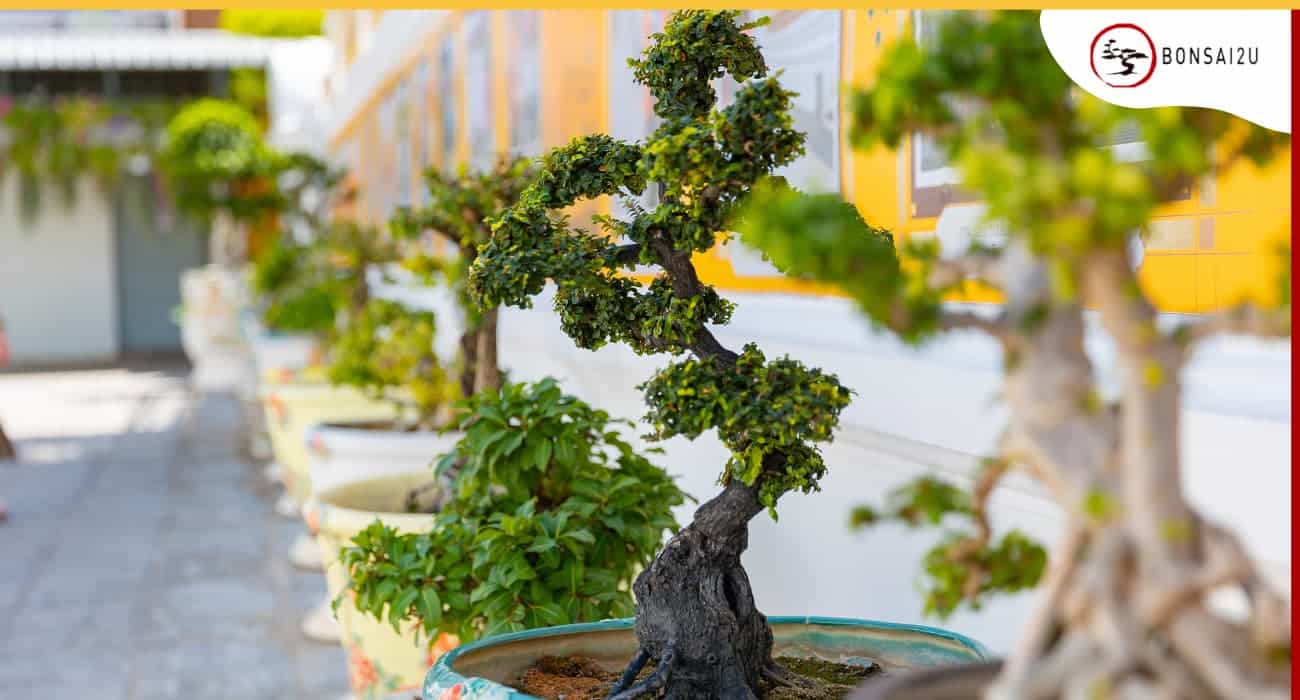
The Chinese elm bonsai is one of the most popular bonsai trees in the UK, and for good reason.
It has small leaves, elegant branches, attractive bark and a naturally tree-like shape. It is also forgiving compared with many other bonsai species, which makes it a brilliant choice for beginners and experienced growers alike.
Whether you have just bought your first Chinese elm bonsai or want to improve the care of a tree you already own, this guide covers everything you need to know.
What Is a Chinese Elm Bonsai?
A Chinese elm bonsai is a bonsai tree grown from Ulmus parvifolia, also known as Chinese elm or lacebark elm.
In nature, Chinese elm grows as a full-sized tree. As a bonsai, it is carefully trained and pruned to create the appearance of an old tree in miniature form. Its small leaves, fine branching and strong growth make it especially well suited to bonsai styling.
Chinese elm bonsai trees are loved for their:
- small, neat leaves
- strong, woody trunk
- fine branch structure
- attractive bark
- fast response to pruning
- ability to recover from beginner mistakes
This makes them one of the best bonsai trees for people who are still learning.
Is Chinese Elm Bonsai Good for Beginners?
Yes. Chinese elm bonsai is one of the best bonsai trees for beginners.
It is more tolerant than many other species and responds well to regular pruning. It also gives clear signs when something is wrong. If the soil is too dry, the leaves may wilt or drop. If the tree is unhappy with its position, growth may slow down.
That does not mean it can be ignored. Like every bonsai, it still needs the right light, watering, pruning and seasonal care. But compared with more delicate species, a Chinese elm is a very practical place to start.
Where Should I Keep a Chinese Elm Bonsai?
Chinese elm bonsai can adapt to indoor or outdoor conditions, although they generally grow more strongly outdoors where they receive better light, airflow and seasonal variation.
Many Chinese elms sold in the UK are kept indoors. If your tree has been grown indoors, place it in a bright position with plenty of natural light. A well-lit windowsill is usually suitable, but avoid placing it directly above a radiator, beside a fire or in a cold draught.
Chinese elm bonsai can also benefit from spending the warmer months outdoors. Move the tree gradually so it can adjust to the stronger light, and choose a sheltered position away from harsh wind.
Trees already grown outdoors can usually remain outside, although the roots may need protection during hard frost because bonsai pots provide less insulation than the ground.
The key is consistency. Sudden changes in temperature, light or growing conditions can cause stress and leaf drop.
How Much Light Does a Chinese Elm Bonsai Need?
Chinese elm bonsai likes a bright position.
Indoors, place it somewhere with plenty of daylight. A bright windowsill is usually ideal. If the room is too dark, the tree may become weak, leggy and sparse.
Outdoors, Chinese elm can grow well in full sun or partial shade. However, a tree that has previously been kept indoors should be introduced to direct sunlight gradually to help prevent leaf scorch.
During very hot periods, some light afternoon shade can help prevent the soil from drying too quickly.
Signs your Chinese elm may not be getting enough light include:
- long, weak shoots
- large gaps between leaves
- pale or tired-looking foliage
- slow growth
- leaf drop
If this happens, try moving the tree to a brighter position and monitor how it responds.
How Often Should You Water a Chinese Elm Bonsai?
Water your Chinese elm bonsai when the top of the soil starts to feel slightly dry.
There is no perfect fixed schedule. Some trees may need watering every day in warm weather, while others may need less frequent watering in cooler conditions. The size of the pot, room temperature, light levels and time of year all make a difference.
The best approach is to check the soil regularly.
Push your finger gently into the top of the soil. If it feels dry near the surface, water the tree thoroughly. If it still feels damp, wait and check again later.
When watering, make sure the whole root ball is soaked. Water should run freely from the drainage holes at the bottom of the pot. Do not just give the tree a small splash.
Avoid leaving your bonsai sitting in water for long periods. Bonsai roots need moisture, but they also need oxygen. Constantly wet soil can lead to root problems.
Signs of Underwatering
A Chinese elm bonsai that is too dry may show:
- wilting leaves
- crispy leaf edges
- sudden leaf drop
- dry, shrinking soil
- weak new growth
If the soil has dried out badly, water the tree thoroughly. You may need to soak the pot in water for a short period so the root ball can rehydrate properly. After that, return to normal watering and keep a closer eye on the soil.
Signs of Overwatering
Overwatering can be just as harmful as underwatering.
Signs may include:
- yellowing leaves
- constantly wet soil
- weak or soft growth
- mould on the soil surface
- poor root health
- leaf drop even though the soil is wet
If this happens, check drainage, reduce watering frequency and make sure the tree is not sitting in standing water.
How to Prune a Chinese Elm Bonsai
Chinese elm bonsai responds very well to pruning.
Regular pruning helps keep the tree compact, encourages finer branching and maintains the shape of the bonsai. Without pruning, new shoots can grow long and untidy.
For general maintenance, allow new shoots to grow to around 6 to 8 leaves, then trim them back to 2 or 3 leaves. This encourages denser growth and helps build a better branch structure.
You can prune Chinese elm throughout the growing season, especially in spring and summer when growth is strongest.
When pruning, always use clean, sharp bonsai scissors. Make neat cuts and avoid tearing the stems.
Can You Shape a Chinese Elm Bonsai with Wire?
Yes. Chinese elm branches can be wired to help shape the tree.
Wiring allows you to gently guide branches into a better position. This can help create movement, balance and a more mature shape.
However, Chinese elm can grow quickly, so wire should be checked regularly. If left on too long, it can bite into the bark and leave marks.
When wiring:
- use the right thickness of bonsai wire
- wrap carefully without damaging the bark
- bend branches slowly and gently
- check the wire every few weeks during active growth
- remove it before it cuts into the branch
If you are new to wiring, start with small adjustments rather than trying to completely restyle the tree at once.
When Should You Repot a Chinese Elm Bonsai?
Chinese elm bonsai usually needs repotting every 2 to 3 years, depending on its age, size and growth rate.
Younger trees often grow faster and may need repotting more regularly. Older, more established trees can usually stay in the same pot for longer.
The best time to repot is usually early spring, just as the tree is starting to come back into active growth.
Signs your Chinese elm may need repotting include:
- water running straight through the pot
- roots circling around the root ball
- soil drying out very quickly
- weak growth despite good care
- the tree lifting out of the pot as one solid root mass
Repotting gives the tree fresh soil and space for healthy root growth. It is also a chance to trim back congested roots and improve drainage.
What Soil Does Chinese Elm Bonsai Need?
Chinese elm bonsai needs well-draining bonsai soil.
Good bonsai soil should hold enough moisture to support the tree, but it should also allow excess water to drain away. Heavy, compacted soil can hold too much water and reduce oxygen around the roots.
A suitable bonsai soil mix helps with:
- drainage
- airflow around the roots
- healthy root growth
- easier watering
- stronger long-term tree health
Avoid using standard garden soil in a bonsai pot. It can become compacted and waterlogged, which is not ideal for bonsai roots.
Should You Feed a Chinese Elm Bonsai?
Yes. Feeding helps your Chinese elm bonsai grow strongly, especially during the growing season.
Use a suitable bonsai fertiliser from spring through to autumn. Follow the instructions on the product, as feeding strength and frequency can vary.
During active growth, regular feeding supports new leaves, branch development and overall health. In winter, growth usually slows down, so feeding can often be reduced or paused depending on where the tree is kept.
Do not overfeed. Too much fertiliser can cause weak, fast growth and may damage the roots.
Does Chinese Elm Bonsai Lose Its Leaves?
Chinese elm bonsai can lose leaves for several reasons.
Some Chinese elms behave as semi-deciduous trees, meaning they may drop some or all of their leaves depending on temperature, light and seasonal conditions. A tree kept outdoors in cooler weather may lose more leaves than one kept indoors in stable conditions.
Leaf drop can also happen because of stress.
Common causes include:
- moving the tree to a new position
- sudden temperature changes
- underwatering
- overwatering
- low light
- draughts
- poor soil conditions
If your Chinese elm drops leaves shortly after arriving, do not panic. This can happen while the tree adjusts to its new environment. Keep care consistent, check watering carefully and make sure it has enough light.
Common Chinese Elm Bonsai Problems
Chinese elm bonsai is generally reliable, but problems can still happen.
Yellow Leaves
Yellow leaves are often linked to watering issues. The soil may be staying too wet, or the tree may be stressed by a sudden change in position.
Check the soil before watering and make sure the pot drains properly.
Dry, Crispy Leaves
Dry, crispy leaves usually suggest the tree has become too dry or has been placed somewhere too hot.
Check the soil, water thoroughly if needed and move the tree away from radiators or very hot windowsills.
Leaf Drop
Leaf drop can happen after a change in environment. It can also be caused by poor light, watering problems or cold draughts.
Keep the tree in a bright, stable position and avoid overreacting with too much water or fertiliser.
Long, Leggy Growth
Long, weak growth usually means the tree needs more light or more regular pruning.
Move it to a brighter position and trim back long shoots to encourage denser growth.
Pests
Chinese elm bonsai can sometimes attract pests such as aphids, scale or spider mites.
Check the leaves and branches regularly, especially under the leaves and around new growth. If you spot pests early, they are much easier to manage.
Chinese Elm Bonsai Care by Season
Spring
Spring is one of the most important times of year for Chinese elm bonsai.
This is when growth begins to increase. You can start feeding, prune new growth and repot if needed. It is also a good time to review the overall shape of the tree.
Summer
In summer, your Chinese elm may grow strongly.
Check watering often, especially during warm weather. Prune regularly to keep the shape tidy and prevent long shoots from taking over. Outdoor trees may need protection from intense afternoon sun during very hot spells.
Autumn
In autumn, growth begins to slow.
You can continue light pruning if needed, but avoid heavy work late in the season. If your tree is outdoors, start thinking about winter protection before temperatures drop.
Winter
Winter care depends on where the tree is kept.
An indoor Chinese elm should stay in a bright, cool position away from radiators. An outdoor Chinese elm may need protection from hard frost, especially if it is in a small bonsai pot.
Watering will usually be less frequent in winter because the tree is growing more slowly.
Indoor Chinese Elm Bonsai Care
If you keep your Chinese elm bonsai indoors, focus on three things: light, watering and stability.
Place it somewhere bright. Avoid dark shelves or rooms with little natural light. Keep it away from radiators, open fires and cold draughts.
Indoor air can be dry, especially in winter. A humidity tray can help create a slightly better environment around the tree, but it should not leave the pot sitting directly in water.
Check the soil regularly rather than watering to a strict schedule.
Outdoor Chinese Elm Bonsai Care
A Chinese elm bonsai can also do very well outdoors.
Outdoor conditions often provide better light and airflow than indoor spaces. This can lead to stronger growth and healthier foliage.
However, because bonsai pots are small, roots are more exposed to temperature changes. Protect the tree during hard frost and avoid placing it somewhere exposed to strong wind.
If moving an indoor tree outdoors, do it gradually. Sudden changes can shock the tree.
How to Choose a Chinese Elm Bonsai
When choosing a Chinese elm bonsai, look for a tree with a healthy trunk, strong branches and fresh-looking leaves.
A good bonsai should have:
- a stable, well-rooted base
- a trunk with movement or character
- healthy green foliage
- balanced branches
- no signs of pests or disease
- a pot that suits the size of the tree
You do not need to choose the most dramatic tree straight away. A healthy, well-shaped Chinese elm is often the best choice, especially if you are new to bonsai.
Why Chinese Elm Bonsai Is So Popular
Chinese elm bonsai has stayed popular because it offers the right balance of beauty, strength and flexibility.
It looks like a classic miniature tree, but it is not as demanding as some bonsai species. It can be pruned, shaped and developed over time. It also gives beginners the chance to learn real bonsai techniques without being too unforgiving.
For many people, a Chinese elm is their first bonsai. For others, it remains a favourite for years.
Chinese Elm Bonsai FAQs
Is Chinese elm bonsai easy to care for?
Yes, Chinese elm bonsai is one of the easier bonsai trees to care for. It still needs good light, careful watering and regular pruning, but it is more forgiving than many other species.
Can Chinese elm bonsai live indoors?
Yes, Chinese elm bonsai can live indoors if it is kept in a bright position with good natural light. Avoid placing it near radiators, draughts or very dark areas.
How often should I water my Chinese elm bonsai?
Water when the top of the soil starts to feel slightly dry. Do not water by routine alone. Check the soil regularly and water thoroughly when needed.
Why is my Chinese elm bonsai losing leaves?
Leaf drop can happen because of stress, low light, underwatering, overwatering, draughts or a sudden change in environment. It can also happen seasonally, especially if the tree is kept in cooler conditions.
When should I prune my Chinese elm bonsai?
You can prune Chinese elm throughout the growing season. Let new shoots extend to several leaves, then trim them back to maintain shape and encourage finer growth.

