

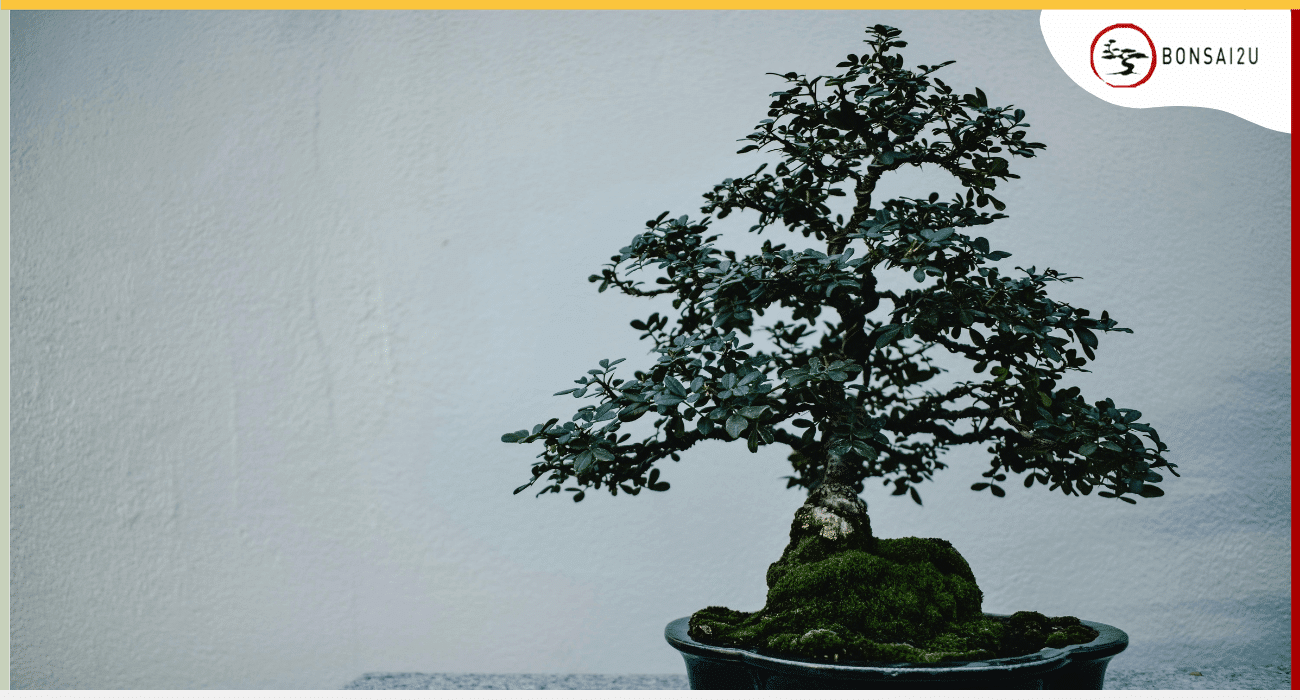
When you first welcome a Chinese Elm bonsai into your home, you’re opening the door to a world of beauty and tradition. But if you’ve noticed your bonsai losing leaves, you might be worried that something is amiss with your cherished tree.
Whether you’re a novice or an experienced collector, understanding the reasons behind leaf loss and how to address it can help restore your bonsai’s vibrancy and health.
Understanding Your Chinese Elm Bonsai

Chinese Elm bonsai are popular for their hardy nature and elegant appearance. Their finely toothed leaves and graceful silhouettes mean they’re a favourite among bonsai enthusiasts across the UK. However, like all living plants, these trees go through natural processes. Sometimes, a mild loss of leaves is normal, but if the shedding is extensive, it may signal underlying issues.
At Bonsai2U, we’ve been nurturing bonsai since 2004. Our commitment to quality and personalised support means we’re here to help you understand every aspect of bonsai care, from everyday maintenance to troubleshooting persistent problems like Chinese Elm losing leaves.
Natural Leaf Drop Versus Stress-Induced Loss
Before diagnosing any issues, it’s important to distinguish between seasonal, natural leaf drop and signs of stress. Like many deciduous trees, Chinese Elms may shed older leaves naturally as part of their growth cycle.
Sudden or excessive loss could be a sign of stress or a care imbalance.
Seasonal Changes
In autumn, some Chinese Elm bonsai may lose a few leaves as they prepare to rest. This seasonal shedding is often harmless and part of the tree’s natural rhythm. If you observe leaf loss only during changing seasons, your tree might just be adjusting to natural variations.
Stress and Environmental Factors
If your bonsai is shedding leaves out of season, it may be due to environmental stress or care issues. Factors such as watering practices, lighting, temperature fluctuations and even pest infestations can push your tree to drop leaves as a survival response. Understanding these factors is the first step toward finding an effective solution.
Common Causes of Bonsai Chinese Elm Losing Leaves
1. Watering Issues
Water management is a critical aspect of bonsai care that can directly impact your Chinese Elm’s health. Both overwatering and underwatering can stress your bonsai and result in leaf loss.
- Overwatering:
Overwatering is one of the most common reasons for Chinese Elm losing leaves. When the soil remains too wet, the roots can suffer from oxygen deprivation, leading to root rot and subsequent leaf drop. Ensure your bonsai’s soil has excellent drainage, and use well-aerated bonsai soil to prevent waterlogging. - Underwatering:
On the other end, if your bonsai isn’t getting enough water, its leaves may dry out and fall off. Check your watering schedule and adjust according to the season. Water more frequently in the hot summer months and less during cooler periods.
For both beginners and experienced growers, monitoring the moisture level of your bonsai soil is a practical tip. Many growers use a moisture meter to help gauge water content accurately.
2. Lighting and Environmental Conditions
Lighting plays a crucial role in your bonsai’s health. Chinese Elms thrive in bright, indirect sunlight, and their leaves can react sensitively to prolonged periods of inadequate or harsh lighting.
- Insufficient Light:
A lack of sufficient light can weaken the tree, causing leaves to drop as it struggles to photosynthesize efficiently. If your bonsai is indoors, consider relocating it to a place where it can receive more natural light. - Excessive Direct Sunlight:
Conversely, too much direct sunlight in the heat of the day can scorch the leaves. A gentle balance is necessary. Filtered or indirect light is ideal for avoiding both extremes.
3. Temperature Fluctuations and Humidity
Chinese Elm bonsai are sensitive to drastic temperature changes. Sudden cold drafts, a drop in temperature or low indoor humidity can stress the tree, leading to leaf loss.
- Cold Stress:
If your bonsai is moved from a warm outdoor setting to an air-conditioned environment, the sudden temperature drop could be a factor. Try to maintain consistent temperatures or gradually acclimate your tree to new environments. - Low Humidity:
Dry air indoors can also dehydrate your bonsai’s leaves. Consider placing a humidity tray near your bonsai or using a room humidifier to create a more stable environment.
Even experienced growers can sometimes underestimate the impact of indoor conditions on bonsai trees. Regularly check on your bonsai’s surroundings to keep its environment as stable as possible.
4. Nutrient Deficiency and Fertilisation
Like all plants, bonsai trees need essential nutrients to stay healthy. A lack of proper fertilisation may lead to overall weakness, making your Chinese Elm prone to losing leaves.
- Balanced Fertilisation:
Ensure you’re using a balanced, bonsai-specific fertiliser that provides the essential nutrients. Feeding your bonsai regularly, but not excessively, is key. - Soil Quality:
Poor soil quality can compound nutritional issues. Consider repotting your bonsai with fresh, well-draining soil that’s rich in organic matter.
Even if you’re an experienced bonsai collector, revisiting your fertilisation routine periodically can make all the difference in long-term health.
5. Pests and Diseases
While Chinese Elms are generally resilient, they are not immune to pests and diseases. Insects like aphids, spider mites, or scale can stress the tree and cause its leaves to fall prematurely.
- Regular Inspection:
Regularly inspect your bonsai for any signs of pests or disease. Early detection is essential. - Natural Remedies:
Use natural pest control methods such as neem oil or insecticidal soap to treat infestations. If the situation worsens, consult with a bonsai specialist for advice.
Advanced Tips for the Experienced Enthusiast
For seasoned bonsai collectors, there are additional nuances to consider when your Chinese Elm bonsai is losing leaves.
Optimising Soil Conditions
Experienced growers understand that soil composition and pH levels play a significant role in your bonsai’s health. Testing your soil periodically can reveal whether nutrient imbalances are at fault. Experiment with different ratios of organic and mineral components to find the perfect blend for your tree’s microenvironment.
Pruning and Structural Adjustments
Over-pruning or incorrect trimming methods can stress your bonsai and lead to unnecessary leaf drop. If you’ve recently pruned your tree, consider whether the cut might have disrupted the natural balance. Use proper techniques and tools to ensure a clean cut and allow your tree time to recover between pruning sessions.
Monitoring and Adapting to Microclimates
Subtle changes in your home’s microclimate can have an effect on delicate bonsai species. Advanced growers often set up controlled environments, like setting up humidifiers in specific areas to maintain optimal growing conditions.
A Personal Touch from Bonsai2U
At Bonsai2U, we began with a genuine passion for bonsai, and that passion continues to grow. As a family-run business, we take pride in offering friendly, knowledgeable support to every customer, whether you’re choosing your first tree or dealing with issues like a Chinese Elm losing its leaves.

We believe every bonsai tells a story, and we’re proud to be part of yours. From care tips to problem-solving, our personalised approach ensures you always have expert guidance at hand.
You’ll also find practical advice and insights in our Bonsai Care section.

