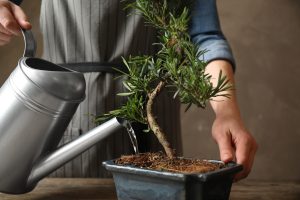


Bonsai forests look like something from a fairy tale. Rows of tiny trees, one canopy, endless miniature woodland. Most people assume a forest planting needs rare trees and a deep wallet. It doesn’t.
Creating a bonsai forest is one of the most budget-friendly bonsai projects you can start. All it takes is a handful of young Chinese Elms, a shallow tray and a little patience.
Discover how to grow a stunning Chinese Elm bonsai forest without spending a fortune.
What Is a Chinese Elm Bonsai Forest?
A forest planting groups several trees in one pot. Together, they mimic a woodland in miniature.
Unlike single-trunk bonsai, forests rely on numbers, not perfection. A slightly wonky elm still earns its place among the trees.
That’s what makes a chinese elm forest so forgiving for beginners.
Why Choose Chinese Elm for a Forest Planting?
Chinese Elm is the workhorse of bonsai, perfect for forest planting, and for good reason.
- Fast growing, so gaps fill in quickly
- Naturally small leaves, perfect for forest scale
- Tolerant of indoor and outdoor conditions
- Forgiving of the odd missed watering
Browse our Chinese Elm Bonsai range to find young, affordable stock suited to group planting.
How Many Trees Do I Need to Start a Chinese Elm Forest?
When considering how many trees you need to start a Chinese Elm Forest, start small. Five to seven young trees make a convincing woodland.
Odd numbers look more natural than even ones. Nature rarely plants in neat pairs.
Our Beginner Bonsai Trees are ideal for this, priced low enough to buy in batches.
What Pot Should I Use for a Bonsai Forest?
When potting your bonsai forest, skip the deep, ornamental pots. Forests need width, not depth.
A shallow tray lets roots spread sideways, echoing a real forest floor.
- Grower’s Range training pots work well for early development
- Plastic grower pots keep costs down while roots establish
- Move to a ceramic display pot once the forest matures
Learn how to repot your bonsai.
How Do I Plant a Chinese Elm Bonsai Forest?
Planting a Chinese Elm bonsai forest is more about design than horticulture.
- Arrange trees in odd-numbered clusters, varying height and spacing
- Place the tallest tree slightly off-centre, not in the middle
- Angle trunks gently, as if leaning toward the light
- Fill gaps with quality bonsai soil for good drainage
Step back often while planting. A forest should look like it grew there by chance.
How Do I Care for My New Bonsai Forest?
First and foremost, when caring for your new bonsai forest, consider that group plantings share water, light and nutrients. Consistency matters more than intensity.
- Water when the soil surface starts to dry
- Feed lightly during the growing season with bonsai fertiliser
- Prune outer branches to keep the canopy looking woodland-like
- Repot every couple of years to refresh the soil
For more detail, our Chinese Elm Bonsai Care Guide covers watering, environment, feeding and pruning schedules.
How Can I Keep the Cost of My Bonsai Forest Down?
Budget bonsai forests come from smart choices, not compromise.
- Buy young, untrained elms rather than mature specimens
- Start with plastic training pots before investing in ceramic
- Grow your own replacements from cuttings over time
- Build the forest gradually, adding trees as funds allow
A modest chinese elm bonsai forest can grow into something spectacular, one thoughtful addition at a time.
Ready to Start Your Own Bonsai Forest?
Creating a bonsai forest takes patience, not a fortune.
Start with a few young Chinese Elms, a shallow tray and this guide. The woodland will take shape on its own.
Got questions about forest planting, pots or care? Contact the Bonsai2U team. We’re always happy to help.
Explore our range of bonsai tools and accessories to bring your forest to life.